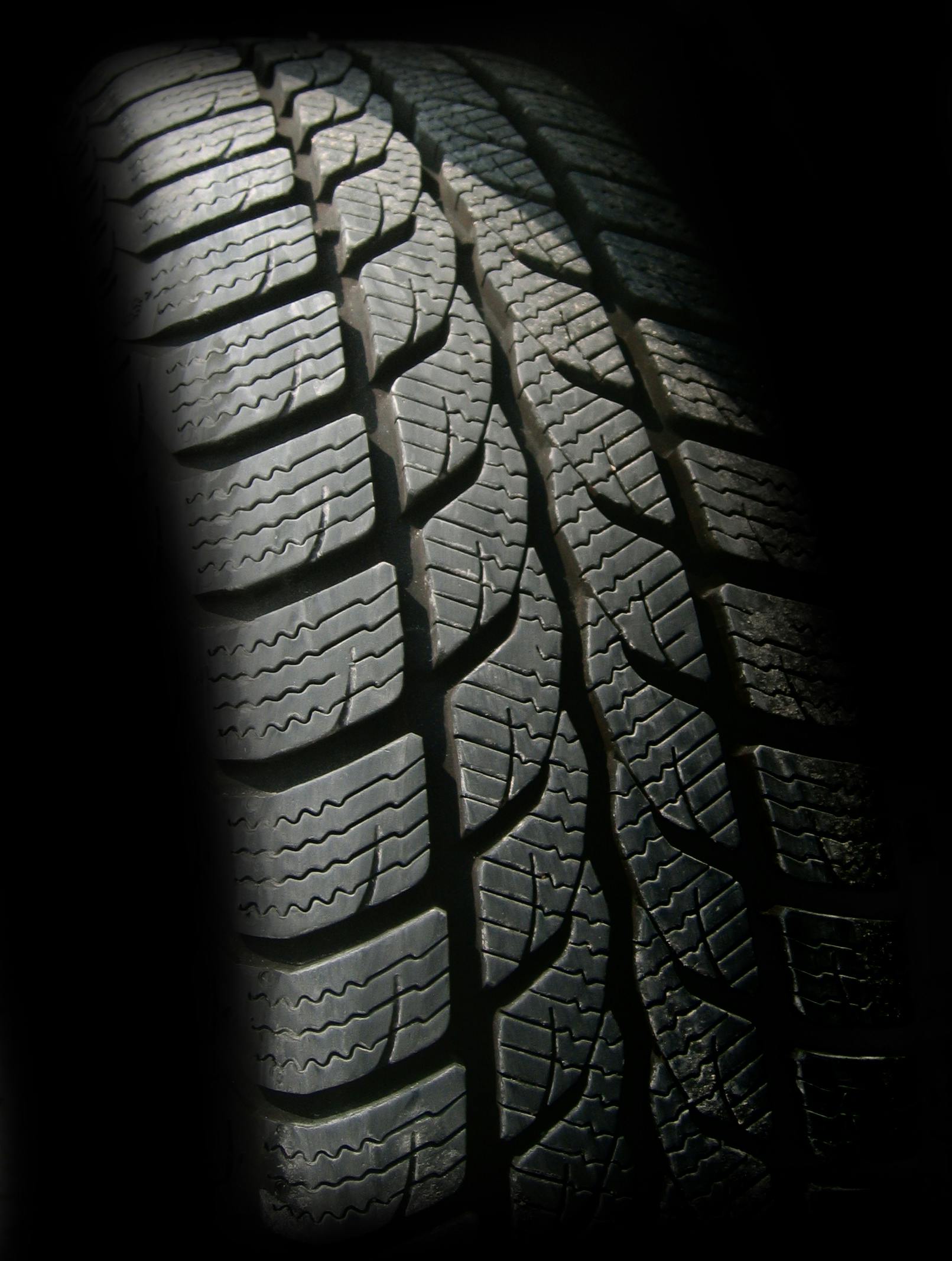
If you’ve ever looked closely at your tires, you’ve probably seen a bunch of numbers and letters stamped into the rubber.
At first glance, they might look confusing — almost like a secret code! But once you understand what they mean, you’ll see that these numbers are extremely important.
They tell you about the tire’s size, strength, speed capabilities, and even how well it can handle different conditions.
Knowing how to read these numbers can help you make smarter choices when it’s time to replace your tires — choices that affect your car’s safety, fuel efficiency, and overall performance.
Let’s break it all down in a simple, easy-to-understand way!
Why Tire Numbers Matter
The numbers on your tire are more than just random information. They have real-world effects on how your vehicle performs every day. Here’s why you should care:
- Safety: Using the wrong tire size or type can make your car harder to control and even unsafe to drive.
- Performance: Tires that match your vehicle perfectly help it handle better, corner more smoothly, and stop faster.
- Fuel Efficiency: Choosing the right width and aspect ratio can improve gas mileage.
- Cost Savings: Proper tires last longer and protect your car from extra wear and tear.
In short, understanding your tire numbers keeps you safer and can even save you money in the long run!
Breaking Down a Tire Number Example
Let’s look at a common tire code:
P215/65R15 95H
This code tells you everything you need to know about the tire’s type, size, construction, and capabilities. Here’s a breakdown:
1. Tire Type: “P”
The first letter in the code tells you the type of vehicle the tire is made for:
- P stands for Passenger vehicle. That means the tire is designed for cars, minivans, SUVs, and light trucks that you drive for everyday use.
- LT stands for Light Truck. These tires are stronger and can handle heavier loads. They are made for pickup trucks, work vans, and vehicles that carry or tow heavy stuff.
- If there’s no letter, it usually means the tire follows European standards.
Why it matters:
Choosing a tire that matches your vehicle type is important. A light truck tire would be too rough for a small car, and a passenger tire wouldn’t be strong enough for a heavy truck.
2. Tire Width: “215”
Next, you’ll see a three-digit number like 215. This number is the tire’s width in millimeters from side to side.
- In this case, the tire is 215 millimeters wide.
- Wider tires often mean better grip on the road, which can help with handling and braking.
- However, wider tires can sometimes lower your gas mileage because they create more rolling resistance.
Fun Tip:
Sports cars usually have wider tires to stay glued to the road during fast turns, while economy cars may have narrower tires to save gas.
3. Aspect Ratio: “65”
After the slash (/), the next number is the aspect ratio — the relationship between the tire’s height and its width.
- Here, 65 means the height is 65% of the tire’s width.
- So if the width is 215 mm, the height is about 140 mm.
Why it matters:
- A higher aspect ratio (like 70 or 75) means the tire has a taller sidewall. This gives a softer, more comfortable ride and better shock absorption.
- A lower aspect ratio (like 45 or 50) means a shorter, stiffer sidewall, which improves cornering and sporty handling but may feel bumpier.
Good to know:
Trucks and SUVs often have higher aspect ratios for off-road strength, while sports cars prefer lower ratios for performance.
4. Tire Construction: “R”
After the aspect ratio, you’ll find a letter — usually an R.
- R stands for Radial construction.
- Radial tires have layers of fabric that run across the tire, with cords that run at right angles to the tread. This makes the tire stronger, more flexible, and longer-lasting.
Today’s reality:
Almost every tire you’ll see for regular cars is radial. If you don’t see an “R,” the tire might be a rare older design.
5. Wheel Diameter: “15”
The number right after the “R” tells you the wheel diameter — basically the size of the rim the tire fits onto.
- In our example, 15 means the tire fits on a 15-inch wheel.
Important:
You must match the tire to your wheel size exactly. A 16-inch tire won’t fit on a 15-inch rim. No exceptions!
6. Load Index: “95”
The load index tells you how much weight the tire can safely carry.
- A load index of 95 means each tire can carry about 1,521 pounds when properly inflated.
Why it’s important:
Choosing a tire with too low of a load index could lead to dangerous tire failures, especially when your car is loaded with passengers, cargo, or towing.
You can find load index charts online if you ever need to check the exact number.
7. Speed Rating: “H”
Finally, the letter at the very end is the speed rating, which tells you the maximum safe speed the tire can handle.
- In our case, H means the tire is rated for speeds up to 130 miles per hour (mph).
Common Speed Ratings:
- S = 112 mph
- T = 118 mph
- H = 130 mph
- V = 149 mph
- Z = Over 149 mph
Remember:
Even if your tires are rated for high speeds, always follow local speed limits. The rating is about safety, not permission to speed!
Extra Information You Might Find on Tires
Besides the main size and performance information, you’ll often see other important details:
DOT Code
- Stands for Department of Transportation.
- This number shows that the tire meets safety standards and tells you when it was made.
Example:
A DOT code like 2319 means the tire was made in the 23rd week of 2019.
Why it matters:
Tires age even if they look fine. Rubber breaks down over time. Experts recommend replacing tires that are over 6 years old — even if there’s still tread left.
Treadwear, Traction, and Temperature Ratings
These three ratings give you extra clues about tire quality:
- Treadwear: Higher numbers (like 400) mean the tire should last longer than lower numbers (like 200).
- Traction: Rated from AA (best), A, B, to C (worst). This measures how well the tire stops on wet roads.
- Temperature: Rated A, B, or C, this shows the tire’s ability to resist heat buildup.
Checking these ratings helps you find a tire that fits your driving needs and climate.
Why Understanding Tire Numbers Is So Important
Understanding the numbers on your tires isn’t just for car experts. It’s useful for anyone who owns a vehicle! When you know how to read them, you can:
- Buy the right replacement tires easily
- Make better decisions about tire upgrades
- Choose tires that match your driving style
- Improve fuel efficiency
- Drive more safely in different weather conditions
For example, if you often drive in heavy rain, choosing a tire with a high traction rating can make a huge difference in your safety. If you live in a hot area, a tire with a strong temperature rating is important.
Final Thoughts
Tires are your car’s only connection to the road, and the numbers on the sidewall are full of helpful information.
Understanding what these numbers mean can help you choose the right tires, drive more safely, save money on fuel, and get better performance from your vehicle.
Now that you know the secret behind the tire code, you’ll never look at a tire the same way again.
Next time you buy tires, you’ll feel confident and smart, ready to make the best choice for your car and your safety!