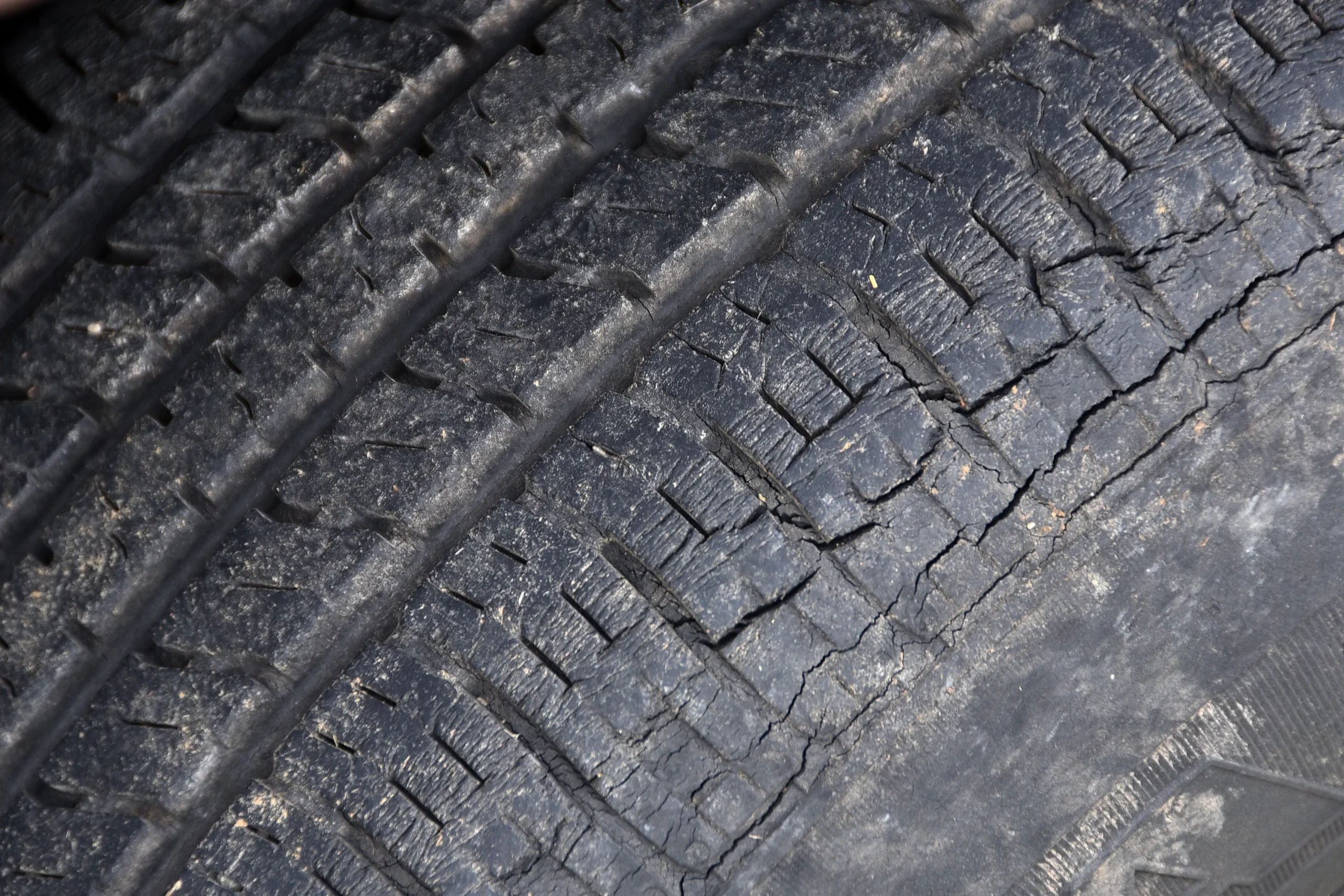
Dry rot in tires doesn’t mean the rubber is literally turning into wood. But the name makes sense once you understand what’s happening.
Dry rot is when the rubber in your tires starts to crack, weaken, and break down. It usually happens slowly over time and can affect any tire, even if it still has plenty of tread.
When tires dry out, they become less flexible. Instead of bending and gripping the road like they’re supposed to, they can crack or even fall apart while driving. This makes dry rot one of the biggest hidden dangers when it comes to tire safety.
Even if you don’t drive your car much, tires can still rot. That’s why it’s important to check your tires often, especially if your car sits parked for long periods or is stored outdoors.
Why Is Dry Rot So Dangerous?
Many people don’t notice dry rot until it’s too late. Tires with dry rot can still hold air and may not look damaged from far away. But underneath the surface, the rubber is getting weaker. These cracks can grow with heat, pressure, or speed.
If your tire suddenly blows out while you’re driving—especially at highway speeds—it can cause you to lose control. That’s why dry rot isn’t just about keeping your tires looking nice—it’s about keeping you and your passengers safe.
Dry rot also causes tires to:
- Lose air faster – Cracks allow air to slowly escape.
- Have weak spots – Parts of the tire become soft and brittle.
- Fail during long drives – Heat from friction can make the damage worse.
You may not notice the effects until it’s too late. So spotting the signs early is key.
How to Spot Dry Rot Early
Knowing the signs of dry rot can help you fix problems before they get serious. Here’s what to look for when you check your tires:
1. Cracks on the Sidewalls
Look closely at the side of your tire—the part you can easily see while your car is parked. Do you see any small cracks? These might look like thin lines or tiny spider webs. These cracks mean the rubber is drying out and losing its flexibility.
Cracks can appear near the edge of the tread or closer to the rim. Even small ones matter because they can spread quickly.
2. Faded or Grayish Color
Tires are normally a rich, deep black. If your tires are starting to look dull, faded, or even gray, it’s a sign they’ve been sitting in the sun too long. UV rays can dry out the rubber and cause it to lose color—just like how too much sun dries out your skin.
3. Tread Cracks
Tires have deep grooves in the rubber for better grip—these are called treads. If you notice small cracks inside those grooves, that’s another early sign of dry rot. These cracks make it easier for water to seep into the tire, speeding up the damage.
4. Brittle or Stiff Rubber
Healthy tires should feel slightly soft when pressed. If you press your thumb against the rubber and it feels hard, brittle, or even flakes off, the rubber is likely dried out. Stiff rubber won’t grip the road well, especially in wet or slippery conditions.
5. Chunks Falling Off
This is a clear warning sign that the tire is too far gone. If pieces of rubber are breaking off or peeling away, the tire is no longer safe to use. You should replace it immediately—even if it still holds air.
What Causes Dry Rot in Tires?
Understanding what causes dry rot can help you avoid it. These are the most common reasons tires start to rot:
- Tire Age – Most tires are only good for 6 to 10 years. Even if they have good tread left, the rubber naturally breaks down over time.
- Sunlight (UV Rays) – Leaving your car in the sun every day speeds up rubber aging. UV rays dry out the oils in the tire that keep it flexible.
- Heat – Hot weather and road surfaces make the rubber expand and contract, which speeds up cracking.
- Ozone & Pollution – Chemicals in the air, especially in cities or near factories, can eat away at rubber over time.
- Improper Storage – Tires stored outdoors or in damp, dirty places will rot faster.
- Low Usage – If you rarely drive your car, the tires don’t stay flexible. Tires need to move now and then to stay healthy.
How to Prevent Dry Rot in Tires
Luckily, preventing dry rot is easy if you take a few simple steps. These habits can help extend your tires’ life and keep you safer on the road:
1. Drive Regularly
Tires that sit still for too long dry out faster. Try to drive your car at least once a week, even for just 10–15 minutes. This helps the rubber stay flexible and prevents cracks from forming.
2. Keep Tires Clean
Washing your tires gets rid of dirt, road salt, and chemicals that can damage rubber. Use mild soap and a soft brush. Avoid harsh cleaners or degreasers—they strip away the natural oils that keep rubber soft.
3. Avoid Direct Sunlight
Park in the shade whenever possible. If you don’t have a garage, consider using a car cover. UV rays from the sun are one of the main causes of tire dry rot.
4. Use Tire Protectants
Buy a water-based tire protectant spray. These add a layer of moisture and protection to the rubber. Don’t use petroleum-based products—they make the rubber look shiny, but they dry it out faster in the long run.
5. Check Tire Pressure Often
Low tire pressure puts extra stress on the rubber, especially the sidewalls. Overinflated tires can also wear unevenly. Use a tire pressure gauge once a month and follow the pressure listed on your car’s sticker (usually inside the driver’s door).
6. Store Tires Properly
If you’re storing winter or summer tires, keep them indoors in a cool, dry place. Don’t leave them on bare concrete. Use a tire rack or place cardboard or wood underneath. Stack them flat or upright with covers to protect them from dust and sunlight.
7. Rotate and Inspect Tires Regularly
Tire rotation (every 5,000–7,000 miles) helps them wear evenly. While rotating, inspect each tire closely for cracks, fading, or damage. Catching dry rot early gives you time to act before it becomes dangerous.
When Should You Replace Tires with Dry Rot?
Not all cracks mean your tire needs to go right away—but many do. If you spot any of these signs, it’s time to replace your tire:
- Cracks longer or deeper than a credit card’s edge
- Rubber that feels dry, stiff, or flaky
- Rubber pieces falling off
- Sidewall damage or splitting
- Tires older than 6 years showing wear
Tires are the only part of your car that touches the road. Don’t take chances with your safety.
Final Thoughts
Dry rot is sneaky. It can happen slowly and quietly, without you even realizing your tires are in danger. But once it starts, it doesn’t stop. By the time the cracks are big and deep, the tire is already unsafe.
The good news? It’s easy to prevent. Drive your car often, keep your tires clean, park in the shade, and check them regularly. A little effort now can save you from a big problem later.